
"Harar Boldgrain"
960 article(s) found

How do you drink Ethiopian Harald coffee, one of the three largest coffees in the world? Harar, is the coffee good?
For more information on coffee beans, please follow the coffee workshop (Wechat official account cafe_style) Ethiopian coffee is mostly produced in the plateau above 2000 meters above sea level, with large producing areas such as Gima, Gamby, Yeerqifa, Sidamo and Harald. Among them, the Montenegro region of Harald is still the only place in the world with wild coffee.
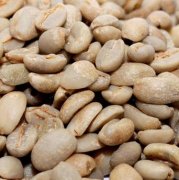
Coffee Variety Description Harar
Harar (Harar-4)(Origin) Ethiopia (Treatment) Sunburn (Roasting) Recommended Roast Level: City Roast or Deep City Roast (Cup Review) Medium to slightly sour, full-bodied, intense mocha flavor and signature blueberry flavor Common variety of Harar region in western Ethiopia, strong tree species

Fine coffee variety introduction Harar
Harar (Harar-4)(Origin) Ethiopia (Treatment) Sunburn (Roasting) Recommended Roast Level: City Roast or Deep City Roast (Cup Review) Medium to slightly sour, full-bodied, intense mocha flavor and signature blueberry flavor Common variety of Harar region in western Ethiopia, strong tree species

Coffee Variety Description: Harar
Harar coffee variety, common in the harar region of western ethiopia, is characterized by a strong tree species and high coffee yields; however, it is susceptible to disease.

Introduction to coffee varieties: Harald (Harar)
[product name] Harald (Harar-4) [place] Ethiopia (Ethiopia) [place] recommended roasting degree: urban roasting or deep urban roasting [cup review] medium to slightly sour, full taste, strong mocha flavor and iconic blueberry flavor of the Harald region of western Ethiopia, the general conventional species, the tree species are very powerful coffee.
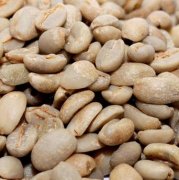
Introduction to coffee varieties: Harald, Ethiopia (Harar)
[product name] Harald (Harar-4) [place] Ethiopia (Ethiopia) [place] recommended roasting degree: urban roasting or deep urban roasting [cup review] medium to slightly sour, full taste, strong mocha flavor and iconic blueberry flavor of the Harald region of western Ethiopia, the general conventional species, the tree species are very powerful coffee.
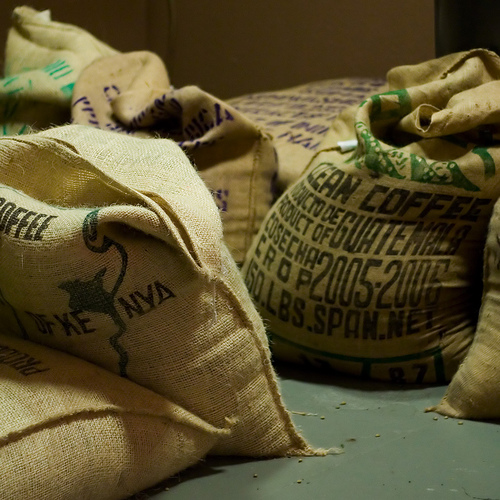
Ethiopia-Manor Harald (Harar) typical of Ethiopian sun treatment
Harald (Harar) is located in the Eastern Highlands of Ethiopia (Harerge province) and grows between 5000 and 7000 feet above sea level. Most of the raw beans are medium size and long at both ends, with yellow or golden green color, strong chocolate smell when baking, wild taste with moderate acidity and rich texture, is a very typical mocha flavor, good Hara with jasmine and similar flavor.

Harald (Harar), the main coffee producing area in Ethiopia.
The main producing areas of Ethiopian coffee are Harald (Harar) in the east, Djimmah (southwest) and Sidamo (south). The unique fragrance of Yirgacheffe comes from Yirga, a small town in the northwest of Sidamo province. Yirgacheffe is a global coffee connoisseur.
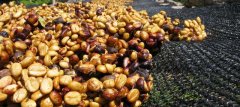
Ethiopian Harar Boutique Coffee
Specialty coffee is also known as specialty coffee. It refers to coffee made from green beans with excellent taste characteristics grown in a few extremely ideal geographical environments. Depending on the particular soil and climatic conditions in which they are grown, they have outstanding flavors. This type of coffee is carefully selected and graded for its hard texture, rich taste and wind.

coffee producing areas| Ethiopian Harar Wild Coffee Details
Ethiopia is the world's largest coffee gene pool. As the birthplace of coffee, Ethiopia has nine fine coffee producing areas, rich in coffee varieties, and different coffee producing areas breed different coffee flavors. Ethiopia's nine major producing areas: Yegashefi, Sidama, Hara, Limu, Kimma, Irubaba, Kimbi (Lekanti), Tiebi (Bebeka), Tana

Coffee beans Ethiopia Harald (Harar)
The most famous coffee in Ethiopia is Harald coffee. Harald is located in eastern Ethiopia. Harald is an ancient city with a long history and one of the four holy cities of Islam. The Harald region has the best altitude for Arabica coffee and is the highest coffee producer in Ethiopia. Harald, Ethiopia, like Mocha in Yemen, is pure-handed.

Introduction to the main producing areas of Ethiopian coffee Harar producing area, southwest Djim
Sidamo Gedeo District, Sidamo Province Today Ethiopia is an important coffee producer with approximately 12 million people engaged in coffee production and is Africa's leading exporter of Arabica coffee beans. The quality of coffee here is excellent and worth looking for. A variety of coffee cultivation methods can be found in Ethiopia: from patches of wild coffee trees and semi-developed land,

Ethiopian Coffee Harald producing area of High quality Ethiopian Coffee producing Ethiopia
At 1600 to 2400 meters above sea level, the Harald Heights in eastern Egypt is one of the highest elevation areas for human coffee cultivation (some even claim to be as high as 2000 to 2700 meters), overlooking the Yemeni ports of Mocha and Aden across the Gulf of Aden. For centuries, Harald coffee farmers used camels, donkeys or carriages to transport coffee beans to the downhill port of Djibouti, risking being besieged by hyenas.

Very typical mocha flavor Harald (Harar) production area jasmine strong chocolate smell
The coffee producing areas of Ethiopia are Hidamo, Harald and Sidamo, Harrar and Yirgacheffe. Sidamo and Harrar are provinces and divisions. Sidamo is located in the south of Ethiopia bordering Kenya, and Harrar borders Somalia in the east of Ethiopia. Although Yirgacheffe is a community in the Sidamo region, due to soil composition and water content and other reasons.

Ethiopian Harar Coffee Bean Common Sense
Ethiopia Harar Coffee Ethiopia is the world's first coffee growing country and maintains the oldest coffee culture. It still maintains a very traditional and ancient coffee growing process. Ethiopia 6 degrees to 9 degrees north latitude. Tropical forest between 34 and 40 degrees east longitude and between 1600 and 1800 meters above sea level. Harald is not only the most expensive coffee in the world, but also a beautiful legend.

Harald (Harar) is located in the Eastern Highlands of Ethiopia with jasmine-scented coffee flavor.
Boutique coffee (specialty coffee) is also called specialty coffee selection coffee. It refers to coffee made from a small number of raw beans with excellent taste grown in an ideal geographical environment. Depending on the special soil and climatic conditions in which they grow, they have outstanding flavor. After strict selection and classification, this kind of coffee is hard in texture, rich in taste and stylish.
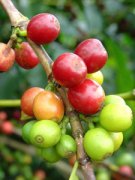
Harald (Harar) Berry delightfully fermented mixed flavors in the Eastern Highlands of Ethiopia
The coffee-producing region of Ethiopia is divided into east and west parts by the East African Rift Valley, with lakes, volcanoes, lowlands, plateaus and woodlands interlaced, each evolving. Ethiopia has the most diverse coffee ecosystem in the world (forest coffee, semi-forest coffee, pastoral coffee and plantation coffee), which also preserves its rich Arabica genes. The eastern half is mostly plateaus, coffee beans.

Ethiopian Yega Xuefei Coffee in the Harar producing area in the East introduces the boutique.
Today, Ethiopia is an important coffee producer, with about 12 million people engaged in coffee production and a major exporter of Arabica coffee beans in Africa. The high-quality coffee here is of excellent quality and is worth looking for. A variety of coffee cultivation methods can be found in Ethiopia: from wild coffee forests and semi-developed land
World boutique coffee variety introduction Harald (Harar)
The Harald coffee variety is a common variety in the Harald region of western Ethiopia, characterized by a strong tree species and a high yield of coffee; but it is easy to get.

About Ethiopia Moka Harar Yejia Shefi Introduction
Pay close attention to the coffee comment (Weixin Official Accounts vdailycom ) and find that the beautiful coffee shop opened its own small shop. More than 100 years ago, the whole Middle East non-coffee countries did not have a prosperous outward transportation industry at that time. Yemen Mocha was a main export port near the Red Sea at that time. Most of the coffee produced in Africa was first transported to Yemen Mocha Port and then exported to Yemen.